About the GICR
Vision
The value of cancer data
Principles
Partners
Strategy
Partnership model
IARC Regional Hubs
Core Hub functions
Learning across regions
Collaborating Centres
South, East and South-Eastern Asia Hub
Caribbean Hub
Pacific Islands Hub
Sub-Saharan Africa Hub
Latin America Hub
Northern Africa, Central and Western Asia Hub
ChildGICR
Main objectives
Activities
Publications
Team
Building Capacity
Training via the GICRNet
GICR Mentorship and Twinning programme
IARC GICR Regional Trainers
GICR Partner Countries
Results & Evidence
Progress in GICR Partner Countries
Measuring progress
How the GICR is funded
GICR Progress Reports
Evaluation of the GICR
Funding & Finance
How the GICR uses the funds
Library & Resources
Contact
The value of cancer data
Cancer data are the cornerstone of cancer control.
Read more
Measuring
our progress
167
Site visits
17
agreements
89
courses
The value of cancer data
Cancer data are the cornerstone of cancer control.
Read more
IARC REGIONAL HUBS FOR CANCER REGISTRATION
Disclaimer
About our partners
Caribbean
Latin America
Northern Africa, Central and Western Asia
Pacific Islands
South, East and South-Eastern Asia
Sub-Saharan Africa
Tweets
Tweets by GICR_IARC
Latest news
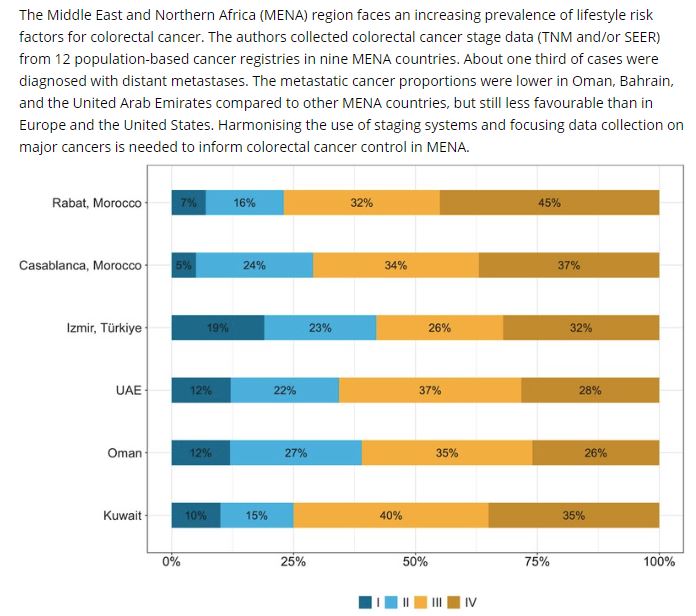
Stage at diagnosis of colorectal cancer in the Middle East and Northern Africa
20/03/2024
Read more
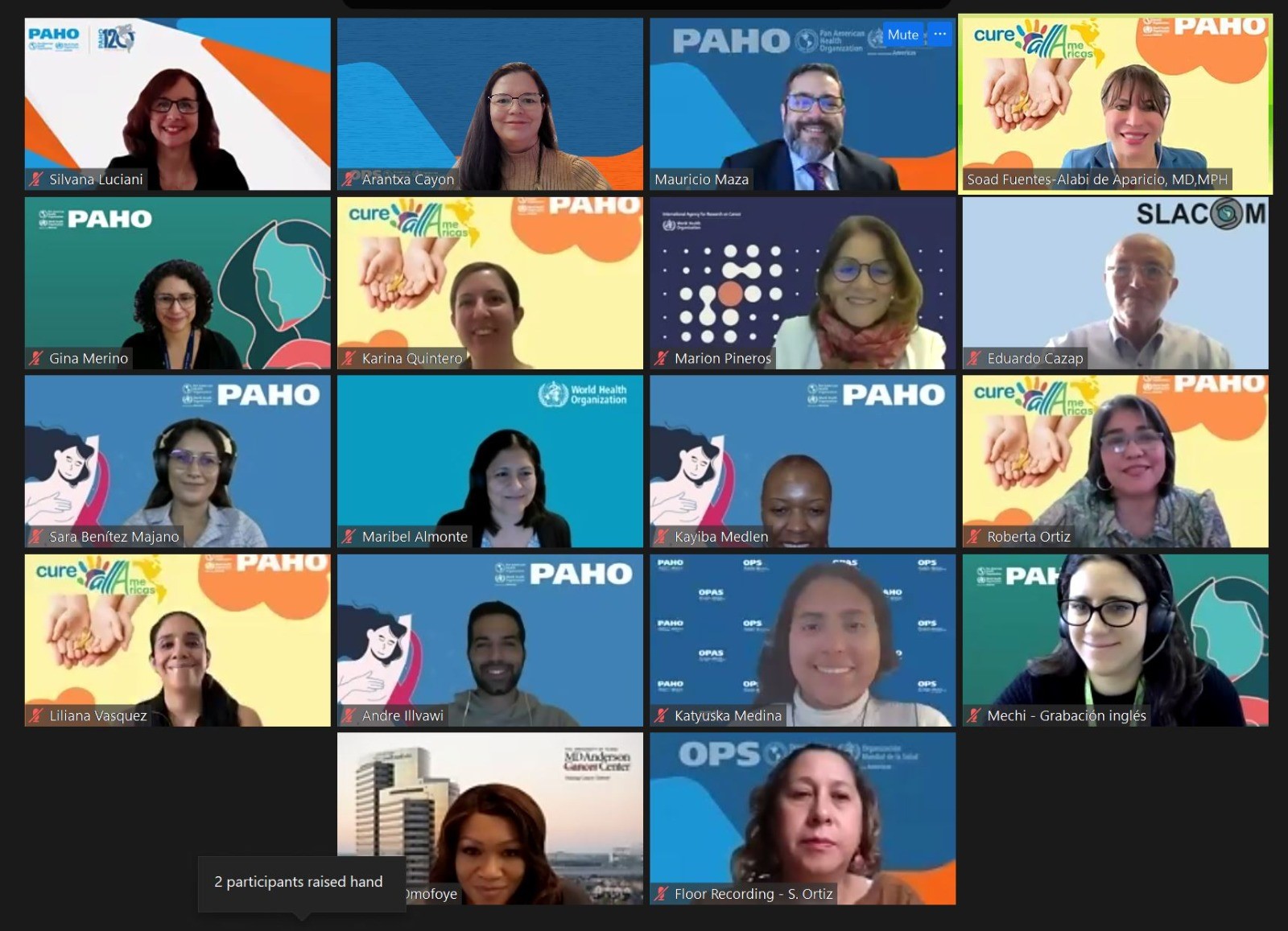
PAHO World Cancer Day 2024 Webinar
12/02/2024
Read more
Read all news
Case studies
Partner Country Paraguay
The Ministry of Health in Paraguay and GICR/IARC committed to have better cancer data for cancer control planning
Read more
Partner Country El Salvador
The Health Ministry of El Salvador has signed a Partner Country Agreement with IARC/GICR aiming to start operations of the San Salvador PBCR.
Read more
Read all case studies
UP
About the GICR
Vision
The value of cancer data
Principles
Partners
Strategy
Partnership model
IARC Regional Hubs
Core Hub functions
Learning across regions
Collaborating Centres
South, East and South-Eastern Asia
Caribbean
Pacific Islands
Sub-Saharan Africa
Latin America
Northern Africa, Central and Western Asia
ChildGICR
Main objectives
Activities
Publications
Team
Building Capacity
Training via the GICRNet
GICR Mentorship and Twinning programme
IARC GICR Regional Trainers
GICR Partner Countries
Results & Evidence
Progress in GICR Partner Countries
Measuring progress
How the GICR is funded
GICR Progress Reports
Evaluation of the GICR
Funding & Finance
How the GICR uses the funds
Library & Resources
Contact